

I’m scrolling mindlessly through Facebook and stop.
It’s a post from a friend but in a split second, something feels off. The post has all the telltale signs of a careless copy-and-paste from ChatGPT: generic structure, weird formality, awkward emojis, it screams, “Look, I’m relatable!”
Visceral cringe hits. Pure, undeniable “ICK.” Lazy. Desperate. Fake.
How did I spot it so quickly? After weeks spent learning to carefully blend ChatGPT into my own writing. Polishing, refining, and personalizing every sentence until it was authentically my own had taught me what generic, bad AI content looked like.
This immediate reaction proves something important: AI use must be strategic and intentional. Lazy AI-generated content stands out sharply, obvious to anyone paying attention. And it’s not one word you can point to, it’s the whole vibe. You read the sentences, but they land with a predictable thud, technically fine but lifeless.
That’s the AI-ICK factor.
Most people don’t even realize they’re triggering it when they use AI. They paste in a question, copy the answer, and hit enter. They assume the job is done because the spelling is right, the grammar is clean, and the facts look solid.
Scroll Reddit for five minutes and you’ll see it: comments accusing posts of being AI-generated. But you need to be familiar with the “AI voice” to spot it. Once you do, you’ll never be able to unsee it. It’s both an annoying and invaluable skill.
This matters more than most people realize. Studies show about half of readers can reliably spot AI-generated copy. In cloud giant Bynder’s 2023 survey of 2,000 UK and US consumers, 50 percent identified AI-written text accurately, with millennials (ages 25-34) leading detection. Growing up with the tech, this generation already knows how to see and spot it.
The ramifications? Well, the ICK. Readers actively judge careless AI use. Awkward LinkedIn posts, overly generic emails, machine-written articles will and do get noticed, and for the wrong reasons. When someone uses AI carelessly, trust erodes instantly.
Avoiding the dreaded AI-ICK isn’t complicated but it does take intention, subtlety, and editing. Generating content with AI is easy. The skill lies in shaping it to sound human, real, and believable—like you.
AI teaches you its own tells. Once you know what they are, you can avoid them. Ironically, the more you use it, the easier it becomes to spot its fingerprints, like spotting smudges on a wine glass.
Picture a highly skilled detective. They immediately notice anything, even the most subtle things, out of place. A painting off center, a single blood splatter, a shard of glass.
Scrub the crime scene. Leave only what feels human behind so no one suspects a thing.
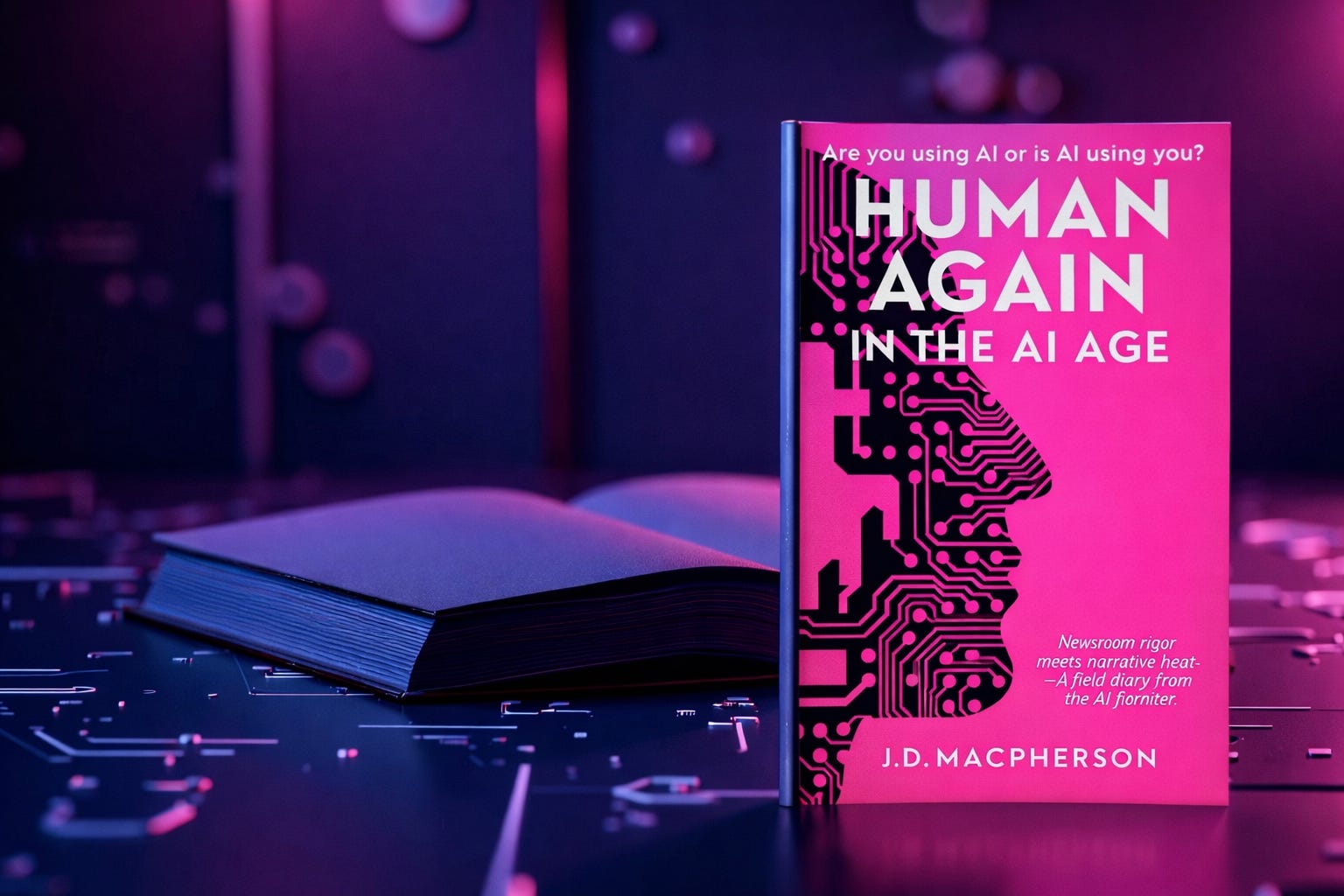
This article is an excerpt from Human Again: In the AI Age (Chapter 7: The AI-ICK Factor), a nonfiction book by Canadian author and journalist J.D. Macpherson exploring how people can think clearly, creatively, and consciously while working alongside artificial intelligence.