

The influencer marketing industry is facing a strange paradox. While budget investments in this channel continue to skyrocket, the people directly managing these processes have found themselves trapped by scope creep and financial undervaluation. A new 2026 labor market analysis reveals figures that should give both brands and agencies pause.

Global Inequality: Where Are the Highest Salaries?
Geography remains the most decisive factor in earnings, and today, the gap between regions is massive. While the average annual income for a specialist in North America sits around $87,000, the European figure barely exceeds $44,000. The lowest salaries were recorded in South America at approximately $18,000, creating a huge market for outsourcing but simultaneously triggering global price dumping.
The “Swiss Army Knife” Syndrome
The main headache for influencer marketers in 2026 is the expectation to be a multifunctional machine. Statistics show that the specialist’s task list has long expanded beyond simply finding creators. 83% of professionals are fully managing budgets. 79% are responsible for long-term relationship management. 75% develop end-to-end campaign strategies from scratch. Nearly 70% handle legal matters, contracts, and content briefs.
Most critically, for many managers, influencer marketing is only half of their actual workload. A significant portion of respondents confirmed that they effectively function as SMM managers, spending 25% to 50% of their working hours managing the brand’s own social media accounts.
The problem isn’t that these professionals lack skill. It’s that the tools they’re using were never built for this volume of work. Discovery still happens manually. Outreach runs through shared inboxes. Follow-ups get missed. Contracts live in email threads. The workload has grown, but the infrastructure hasn’t. This is exactly the gap Creally was built to close: an AI platform for creator partnerships where agents handle the full operational pipeline, so the marketer’s job becomes managing decisions, not managing tabs. For teams ready to make that shift, this breakdown of programmatic outreach explains how to build an autonomous influencer system without adding headcount: Programmatic Outreach: How to Build an Autonomous Influencer Marketing System Without Bloating Your Headcount.
The Compensation Crisis
This leads to a predictable result: 6 out of 10 marketers feel their salary does not accurately reflect their role and tasks. Over 70% are convinced that their compensation does not reflect the real value they bring to the business.
Professionals feel overworked due to the need to simultaneously act as analysts, creatives, lawyers, and sales managers.
But there’s a structural reason this keeps happening. When one person is managing 200 creator conversations manually, tracking statuses in spreadsheets, sending follow-ups from their inbox, chasing contracts, they hit a ceiling fast. More volume means more chaos, not more output. And the answer most teams reach for is hiring, which raises costs without fixing the underlying problem.
The teams that are breaking out of this cycle aren’t hiring more people. They’re changing the system.
Creally is the AI platform for creator partnerships built specifically for this problem. AI agents handle discovery, outreach, follow-ups, and negotiations end-to-end, so the marketing team focuses on decisions, not operations. One client went from 200 to 5,000 monthly outreaches without adding a single hire. Another saw 2400% outreach growth in 30 days. Same team, same budget, fundamentally different output.
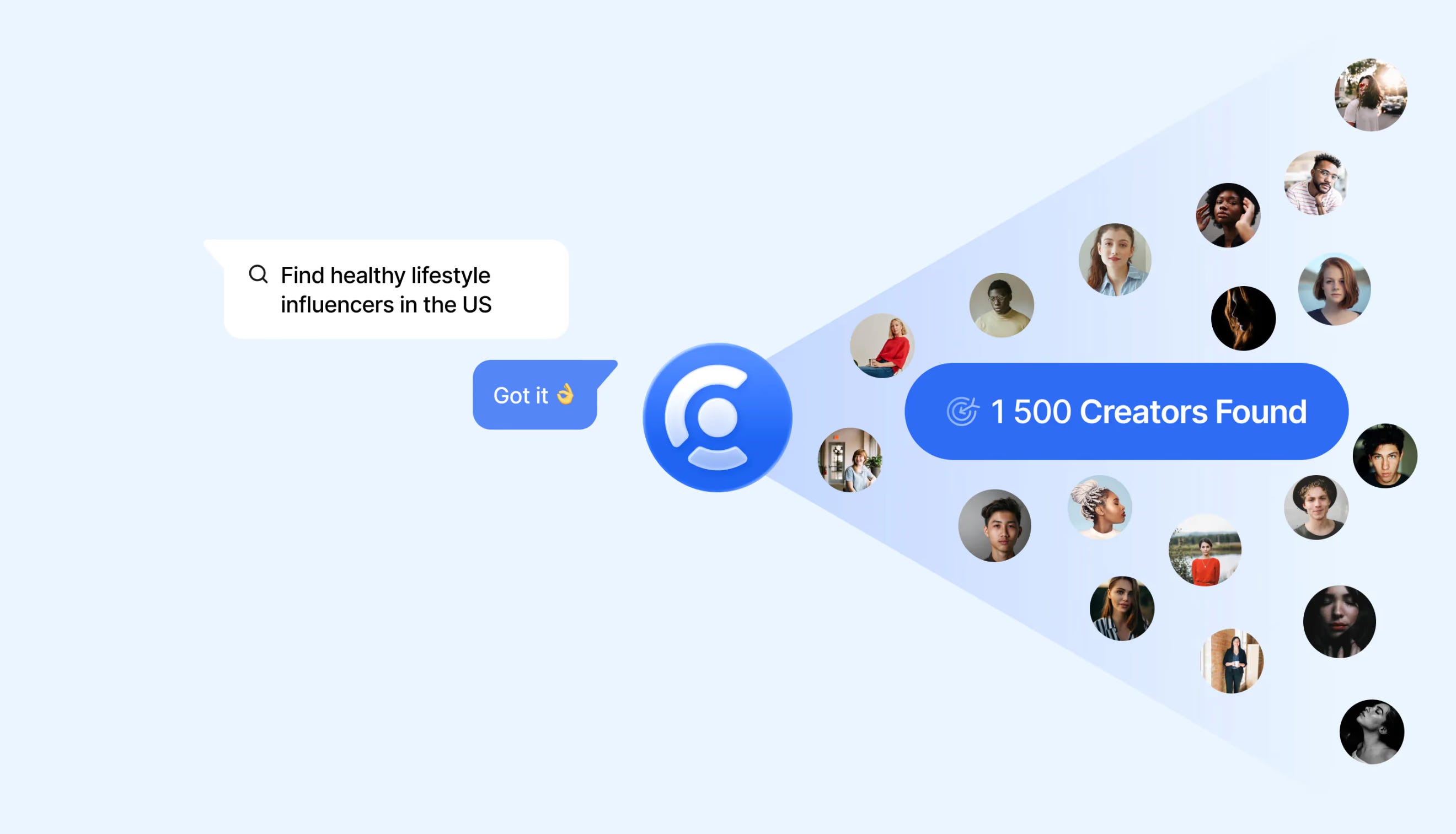
What makes the difference operationally:
Creator contacts are enriched automatically so campaigns start without manual research
Outreach sequences run with natural reply timing so conversations don’t read like a bot wrote them
Every attachment, media kit, and brief is processed automatically
The new Analytics tab tracks views, engagement rate, revenue, and CPM per creator, per video, and per campaign in one place
Content is archived in-platform so performance data survives even when creators delete posts or stories expire
The math changes when the pipeline runs itself. A marketer who spent 40% of their week on manual follow-ups can redirect that time to strategy, relationships, and the creative work that actually requires human judgment. The role becomes what it was supposed to be, not what operational chaos turned it into.
Optimism Despite Burnout
The most intriguing takeaway from the 2026 data: despite complaints about pay and overwork, over 55% of professionals would still recommend a career in influencer marketing to others.
This suggests high emotional engagement and the inherent drive of the industry. However, for brands, this is a warning sign. Unless compensation and job structures are revised, the industry faces a wave of mass burnout among its most talented people.
The fix isn’t just raising salaries. It’s removing the operational burden that turns a creative, relationship-driven role into a data-entry job. Teams using Creally, the AI platform for creator partnerships, report exactly this shift: when AI handles the pipeline, marketers get back to the work that actually requires human judgment. Their time becomes worth more, to the business and to themselves.
The brands that figure this out first won’t just retain better talent. They’ll outpace competitors still running influencer marketing on spreadsheets and shared inboxes. And for brands still relying on a single influencer strategy across all campaigns, the data is clear on why that fails: Brand Deals Report: Why a One-Size-Fits-All Influencer Strategy Fails at Scale.